
Storm water in the house: first hour priorities
The storm may be over but water is still moving through insulation, drywall and framing. Our dispatch line runs 24/7, and a roof leak page covers the source. While you wait, move furniture and valuables away from wet ceilings and walls, catch drips in buckets, and photograph everything before touching it.
Keep people out of rooms with a sagging ceiling. A ceiling holding water can come down all at once, and a small hole in the drywall relieves it safely.
Downed lines, wet outlets and storm hazards
Treat any downed line as live and stay far from it. Call 911 or the power utility before you call us. Leave the breaker alone unless you can reach the panel while standing dry, and never use outlets or fixtures in a room with dripping water.
If a tree has hit the house, do not climb on the roof. Wait for a crew with fall protection.
Rain still coming through the ceiling
Call (943) 469-0138. The line is open 24/7.
What happens after you call
The sequence below follows the ANSI/IICRC S500 standard. Your scope may differ.
Stop more water coming in
Where it is safe, the opening is covered with a tarp or plastic sheeting. Roof repair itself belongs to a roofer.
Locate the wet material
Moisture meters and a thermal imaging camera trace how far water traveled through attic insulation, ceilings and wall cavities.
Remove and extract
Extraction units pull standing water. Saturated insulation and sagging drywall are cut out, because they dry slowly and hold moisture.
Dry and verify
Air movers and LGR dehumidifiers run until readings match dry reference points.
What the record says about rain around Lithia Springs
NOAA's 1991 to 2020 normals for Atlanta Hartsfield, the nearest station with a long record, give about 50 inches of precipitation a year, with spring and summer months averaging well over 3 inches. A roof that held through a dry week can leak the first time a heavy band crosses it, so inspect after storms.
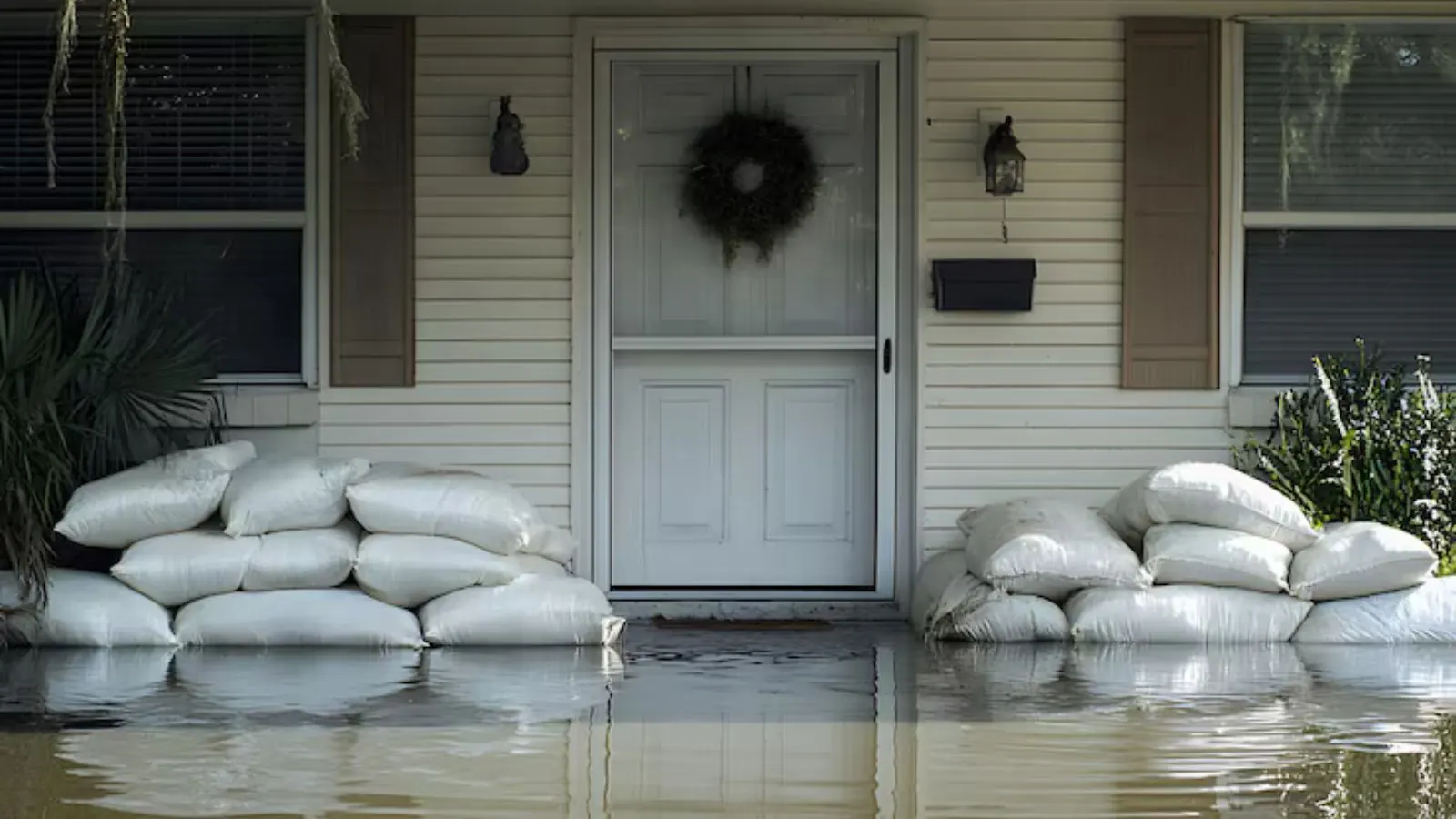
The National Weather Service documented the September 2009 flood in north Georgia, when Sweetwater Creek reached 500-year flood levels. That event was rising water, not wind-driven rain, so it falls under a different service. If creek or ground water entered your home, that is a flood loss with its own steps.
Where storm water usually gets in
Roof edges and flashing
Wind lifts shingles at ridges and around vents, and rain follows nails and flashing seams down.
Windows and doors
Driven rain bypasses weatherstripping and wets sills, drywall returns and flooring below.
Siding and walls
Cracked siding and failed caulk let water wick behind the cladding into the wall cavity.
Fallen limbs and trees
Impact punches openings and tears shingles, often at the same time as the rain.
Storm damage versus flood damage
| Question | Storm water | Flood water |
|---|---|---|
| Where does it come from | Through the roof or walls | Rising from ground, creek or runoff |
| Typical category | Often Category 1 or 2 | Category 2 or 3 |
| Usual insurance route | Often wind and rain under the policy | Usually separate flood coverage |
| Page to read | This page, plus roof leak | Flood damage |
Late-night and after-storm calls
Storms rarely arrive at a convenient hour. Crews dispatch around the clock, and same-day response is offered when available. After a major storm, demand rises, so call as soon as you see water and describe where it is entering.
Once the opening is covered, the ceiling needs attention. Wet attic insulation above it should be checked at the same visit.
What shapes the cost of storm cleanup
No two storm losses look alike. These factors set the scope.
Number of rooms and levels
Water that traveled through the attic and two floors needs more drying.
Insulation and ceiling material
Wet attic insulation and plaster ceilings take more removal.
Time since the event
Water left sitting soaks deeper and can start mold growth.
Temporary protection
Tarping and board-up are priced separately from drying.
Rebuild scope
Roofing and finish repairs follow drying. Ask the Douglas County building department which repairs need a permit.
Georgia's Insurance Commissioner advises filing a claim promptly, photographing damage first, and keeping receipts for temporary repairs. Wind and rain damage is often covered, and flood is usually not. Check your policy or ask your insurer. After a storm, the quickest route to a real figure is a call to (943) 469-0138.
Nearby service and related reading
Wet basements after heavy rain are a separate job, see basement cleanup. After a ceiling leak, the same roof leak page helps with finish decisions. We also dispatch to Mableton, see Mableton water damage service.
Common Questions
Do you handle storm water damage emergencies at night or on weekends in Lithia Springs?
Yes. Storm damage tends to arrive after dark, so dispatch is open through the night and on weekends. Same-day response is offered when available. Call (943) 469-0138 and say where the water is entering the house.
Should I tarp the roof myself?
No. Roof work in wet, windy conditions is a fall risk. A crew or roofer with proper equipment should do it. Inside, you can catch drips and move belongings.
Is water coming through the ceiling an emergency?
Yes. Sagging drywall can collapse and wet insulation holds water. Keep people clear and call the 24/7 line. Repairs come after drying.
Will insurance cover storm damage?
Wind and rain damage is often covered, but flood damage is usually excluded and needs separate flood coverage. Read your policy and ask your insurer.
How long can wet insulation stay before it becomes a problem?
Mold needs moisture, and wet insulation holds it against framing for a long time. Prompt removal and drying limit that risk, though no one can promise an outcome.
Is storm water damage different from flood damage?
Yes. Storm water enters through the building envelope. Flood water rises from outside. The category, cleanup and insurance route can differ.