
Start with the order, because the order protects you
A water damage claim has one job in the first hours: show what happened, show that you protected the home, and report it promptly. Georgia's insurance regulator recommends filing as soon as possible and documenting damage with photos or video before anything is moved. Everything after that is paperwork and patience.
This article covers the claim process itself. Whether your policy covers the loss is a separate question, answered in your policy language, and your insurer makes that call. What follows is the sequence of actions that tends to help, with the state's own guidance at the center.
Four steps from the first drip to the settlement letter
1. Stop the source and make the home safe
Close the main water valve or the fixture shutoff. If the panel is dry and you can reach it safely, turn off power to wet areas. If you smell gas or see water near live electrical, leave and call the utility or 911 before anyone else.
2. Document before you move anything
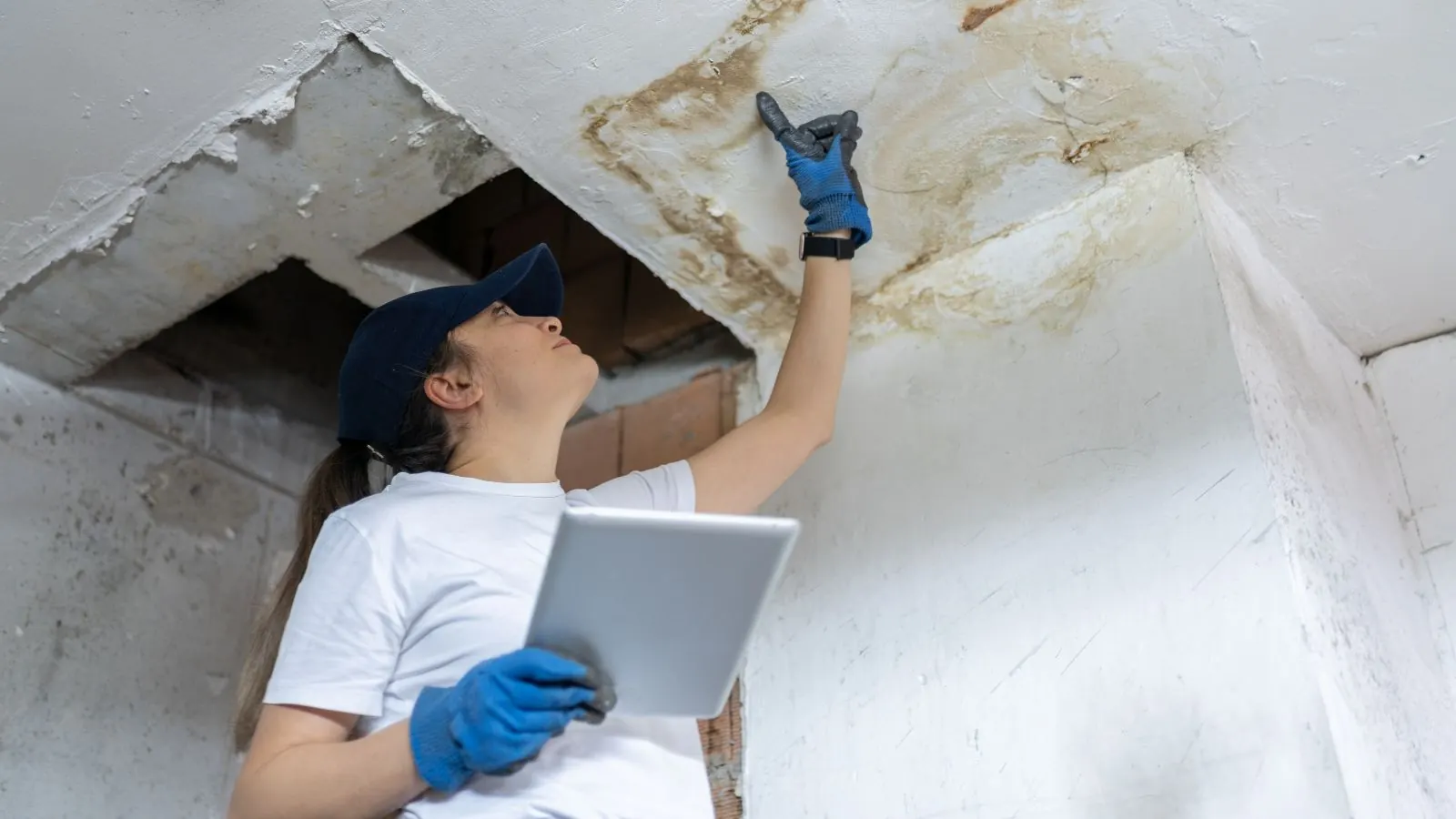
Take wide shots of each room, then close shots of wet walls, floors and belongings. A narrated video walk-through works well. The state also says to save damaged personal property so the adjuster can see it.
3. Report the loss and protect the property
File as soon as possible, since a policy may require notice within a certain time frame. Make temporary repairs to prevent further damage and keep every receipt. Drying wet materials counts as protecting the home.
4. Hold permanent repairs until the inspection
Georgia's insurance office warns that an insurer may deny a claim if permanent repairs are made before the damage has been inspected. Keep notes on each call and ask for explanations in writing.
Need the water stopped and dried first?
Call (943) 469-0138. Dispatch is 24/7, and same-day response is offered when available.
What counts as a temporary repair and what waits
Temporary repairs stop damage from growing. Tarping an opening, shutting off a line, removing standing water and starting drying all qualify. Rebuilding drywall, replacing flooring or installing new cabinets does not, and those items wait for the inspection and the scope of loss.
Drying is the grey area that homeowners ask about most. Professional structural drying and dehumidification is mitigation, not rebuild, because it halts spread and preserves materials that might otherwise be torn out. Ask the crew to record moisture readings at the start and end, since those numbers become part of your file.
Cutting out wet baseboard or a flood cut through soaked sheetrock can also be mitigation when materials cannot dry in place. A photo of the wet section before removal shows why it came out.
What older Lithia Springs housing means for your claim file
Douglas County's Lithia Springs Small Area Plan says most residential development here dates from about 1940 to 1980, with first-generation suburban neighborhoods and Ranch and Minimal Traditional homes. Homes of that era may have older plumbing, and a loss often involves aging supply lines, water heaters and appliance connections.
The tie-back is documentation. Take a photo of the failed part itself, a corroded fitting or a split hose, before it is thrown away. A visible failure helps show that the damage was sudden. The state also tells homeowners to save damaged property for the adjuster, and a failed part is worth saving too.
If your claim involves creek or surface flooding, the Georgia insurance office says homeowners policies do not cover flood. Check your address on the FEMA Flood Map Service Center and ask your agent about separate coverage.
Claim file checklist and why each item matters
| Item to gather | How to capture it | Why it helps |
|---|---|---|
| Photos and video | Before cleanup, every affected room | Shows the original condition of the damage |
| Receipts | Temporary repairs, drying, hotel stays | Supports reimbursement requests under your policy |
| Call log | Date, name, summary, reference number | Keeps timelines straight if a dispute arises |
| Damaged belongings | Keep them until the adjuster has seen them | The state advises saving property for inspection |
| Moisture readings | Ask the drying crew for start and end logs | Documents the extent of wet materials |
| Written explanations | Request denial reasons and settlement details in writing | Gives you something specific to respond to |
These items follow the claim tips published by the Georgia Office of Commissioner of Insurance, plus ordinary good record keeping.
Choosing who does the work, and who authorizes it
One point surprises homeowners. According to the Georgia insurance office, only the insured authorizes repairs and chooses the contractor. An insurer may suggest companies, but the decision is yours, so ask any company you consider about its scope, its price and whether its crews work to the published ANSI/IICRC S500 water standard.
If a contractor's bid comes in higher than the insurer expects, the insurer may ask for an itemized estimate. Having a line-by-line scope helps. Wall sections, flooring, drying days and equipment each appear as their own lines, so a reviewer can see exactly what the number includes. Scope and price are explained before work starts on our jobs, so you can hand that scope to your adjuster.
Wet walls and damp insulation often make up the largest part of the paperwork. A clear record of drywall water damage repair needs, including affected height and square footage, keeps the conversation specific.
Talking with the adjuster without losing your footing
The adjuster's visit is an inspection, not a verdict. Walk the affected rooms in order, point out each wet area, and show the photos you took before cleanup. Hand over the failed part if you kept it, and ask what else the insurer wants to see.
Keep your own list of what was damaged, room by room, including furniture, rugs and stored boxes. People forget the closet floor and the garage shelves. A written list prepared the same day is far easier to defend than a memory reconstructed a month later.
If the settlement looks wrong
Ask for an itemized explanation of the settlement, as the state advises. Compare it to your own scope line by line and note what is missing, such as a room or a drying phase. Raise the specific gaps with your insurer in writing.
Georgia's insurance office states that complaints go to its Consumer Services Division. Its disaster guidance also points to the appraisal clause that many policies contain for disputes over the amount of a loss. Read your own policy for how that process works.
For homes in Austell and Douglasville, the same state guidance applies, since insurers in Georgia answer to one regulator. Call (943) 469-0138 if water is still spreading and you need crews dispatched while you sort the paperwork.
Common Questions
How soon should I file a water damage claim?
As soon as possible. The Georgia Office of Commissioner of Insurance notes that a policy may require notice within a certain time frame, and the state does not publish one number for everyone. Read your own policy for its notice requirement.
Should I take photos before I start cleaning?
Yes. Photograph or video the damage first if you can do so safely, then begin protecting the home. Save damaged personal property so the adjuster can see it.
Can I fix everything right away?
Make temporary repairs that prevent further damage, and keep receipts. Wait on permanent repairs until the damage has been inspected, because the state warns an insurer may deny a claim when permanent repairs come first.
What if my claim is denied?
Ask for the reasons in writing. Review them against your policy, and contact the Consumer Services Division of the state insurance office if you want to file a complaint.
Which Lithia Springs paperwork should I keep after a pipe or appliance failure?
Keep the failed part, photos of the area before cleanup, and a note of when you first noticed water. Many homes here were built between about 1940 and 1980 according to the Douglas County small area plan, so older fittings are common, and the part itself is useful evidence.
Do I need an itemized estimate from the restoration company?
It helps. The state says an insurer may ask for an itemized estimate when a contractor's bid is higher than expected. Ask for lines covering extraction, drying days, equipment and any removal.