
Why a single average price misleads
Restoration cost comes from five things: how dirty the water is, how much of the building it reached, which materials got wet, how many days of equipment drying requires, and how much rebuilding follows. Change any one and the total moves. That is why a quote read off a website, or a neighbor's figure from a different loss, rarely matches your own.
We do not publish dollar figures here, because a number without a site visit would be a guess. We can show how each factor works, so when a crew explains the scope you can see where each line comes from. The number comes after someone measures the wet area, and scope and price are explained before work starts.
The five factors that set the price
Water category
The ANSI/IICRC S500 standard sorts water into three categories by contamination. Clean supply water from a pipe is the lightest case. Water that has crossed a floor or been in contact with soil is dirtier, and sewage is the most serious. Higher categories add protective gear, disinfection and removal of porous materials.
Area and volume affected
A single room with an inch of water is a small job. Water that spreads through a hallway, under a wall plate and into the next room multiplies the square footage to extract and dry. Wicking raises the effect, since drywall pulls moisture upward past the visible line.
Materials that got wet
Tile on slab dries quickly. Carpet pad, hardwood, insulation, and drywall hold water and cost more to dry or replace. Some materials can be dried in place, while others are cheaper to remove than to save.
Drying days and equipment
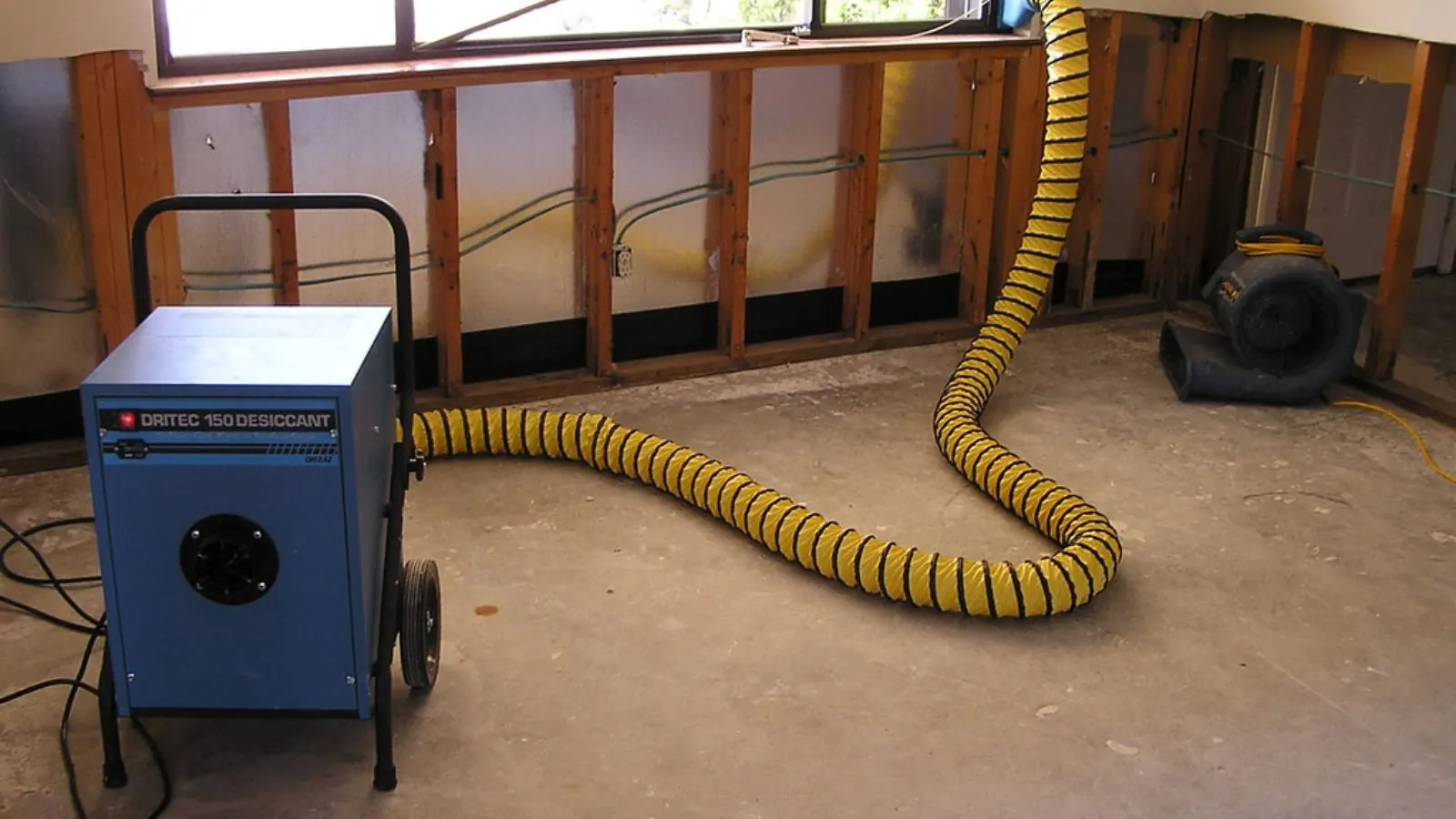
Air movers, LGR dehumidifiers and sometimes desiccant units run for days, and every unit counts. Crews check moisture readings daily and pull equipment when the readings reach the dry standard, so the number of drying days depends on conditions inside your home.
Rebuild scope
Mitigation stops the damage and dries the structure. Rebuilding replaces what could not be saved, such as sections of drywall, paint, trim and flooring. Some owners handle rebuild separately, so ask whether an estimate covers drying only or the whole path back to finished rooms.
Where the hours go on a typical job
The first hours are labor heavy. Crews stop the source if it is still running, extract standing water with pumps and extraction units, and take moisture readings with a meter and a thermal imaging camera. This is the point at which the scope becomes clear.
Then the equipment goes in and runs. Drying is mostly waiting, but the waiting is monitored work, with a visit each day to log readings and reposition equipment. Prompt water extraction shortens this phase, because less water in the building means less to evaporate later.
Demolition and disposal come in where materials cannot be saved. Wet insulation, soaked pad and swollen baseboard are typical examples. Hauling and disposal are real line items and sometimes surprise owners who expected only equipment charges.
Containment is another line that appears when contamination is a concern. Plastic sheeting, negative air and HEPA air scrubbers keep dust and particles from traveling into clean rooms. They add setup time, which is part of why a small contaminated area can cost more than a larger clean one.
Ready for a real number?
Call (943) 469-0138. Scope and price are explained before work starts, and dispatch runs 24/7.
How the factors combine in real situations
| Situation | Factors that push cost up | Factors that hold it down |
|---|---|---|
| Dishwasher hose leak, caught within hours | Wicking into cabinet toe kicks | Clean water, one room, fast extraction |
| Slow leak found after weeks | Wet insulation, swollen framing, possible mold work | Source is small, area may be contained |
| Water heater rupture in a closet | Spread into hallway carpet and pad | Short pipe run, easy source shutoff |
| Roof leak into an attic and ceiling | Wet insulation, ceiling tear-out, repair of the roof opening | Few rooms affected if found early |
| Sewage backup | Category 3 water, disinfection, removal of porous materials | Hard surfaces clean up more easily than carpet |
| Creek or storm water entering at ground level | Soil-contact water, large area, drywall flood cuts | Tile or sealed concrete floors |
These patterns are directional. A moisture survey is what turns them into a real scope.
Local details that affect scope in Lithia Springs
Douglas County's Lithia Springs Small Area Plan describes most residential development here as dating from about 1940 to 1980, including Minimal Traditional and Ranch homes. In older houses, expect more layers to inspect: original drywall, older insulation, and plumbing that may have been patched over the decades. That can widen the scope once walls are opened.
Permits are a second local detail. The Douglas County building permits office states that a building permit is required for interior and exterior renovations, and it asks contractors to show a state contractor license. Ask whether your rebuild phase needs a permit, and who pulls it.
Water service here comes from the Douglasville-Douglas County Water and Sewer Authority, which also handles sewer and stormwater. If a main line or sewer problem caused the loss, the utility is a first call, and the cost of the cleanup is a separate matter from the cost of fixing the line.
Reading an estimate line by line
A good estimate separates extraction, equipment, labor, demolition, disposal and rebuild. Ask how many air movers and dehumidifiers are planned, for how many days, and what readings end the job. If an estimate shows one lump sum for everything, ask for it to be broken out.
Ask whether the crews work to the published ANSI/IICRC S500 standard for water damage, which sets out how drying is planned and verified. Also ask what is included for contaminated materials if the water was not clean.
If sewage is involved, expect extra steps for safety and disinfection described on our sewage backup cleanup page. Those steps add to scope, but they exist because contaminated materials carry real hazards.
Insurance and out-of-pocket costs
Whether insurance pays depends on your policy. Sudden and accidental water damage is often covered, while gradual leaks and flooding are often not. Check your policy or ask your insurer before you decide how to proceed.
The Georgia Office of Commissioner of Insurance notes that only the insured authorizes repairs and chooses the contractor. If a bid is higher than the insurer expects, an itemized estimate may be requested. A broken-out scope serves you either way.
Homeowners in Austell and Mableton face the same factors. Want your real number? Call (943) 469-0138, and we will talk through your situation and set up an assessment.
Common Questions
Why can't you give a price over the phone?
Because the main drivers are measured on site: water category, the wet area, the materials involved and the drying days required. A phone description cannot capture how far water wicked inside walls. After an assessment the scope and price are explained before work starts.
Does a bigger room always cost more?
Not always. A small bathroom with Category 3 water can be a bigger job than a large room with clean water on tile. Contamination level and material type often matter as much as size.
Do I pay for equipment by the day?
Equipment is commonly counted by unit and by day, though how a company itemizes it varies. Ask for the number of air movers and dehumidifiers and the planned drying days.
Is mitigation separate from rebuild?
Often yes. Mitigation covers stopping the damage, extracting water and drying. Rebuild covers replacing drywall, paint, trim and flooring. Ask whether a given estimate includes one or both.
Who in Lithia Springs handles water service if the problem came from the main line?
The Douglasville-Douglas County Water and Sewer Authority describes itself as Douglas County's sole water provider, and it also handles wastewater and stormwater. Call it for problems on the utility side of the meter, and call a restoration crew for damage inside your home.
Will insurance cover the cost?
It depends on the cause and your policy. Sudden and accidental damage is often covered, and gradual leaks and flooding often are not. Check your policy or ask your insurer, and call (943) 469-0138 if you want help understanding the scope.